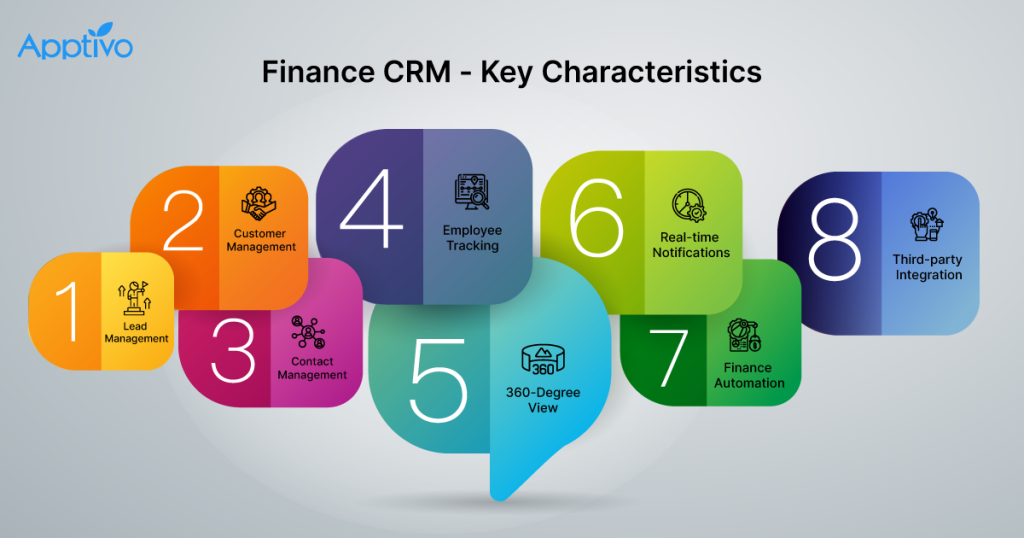
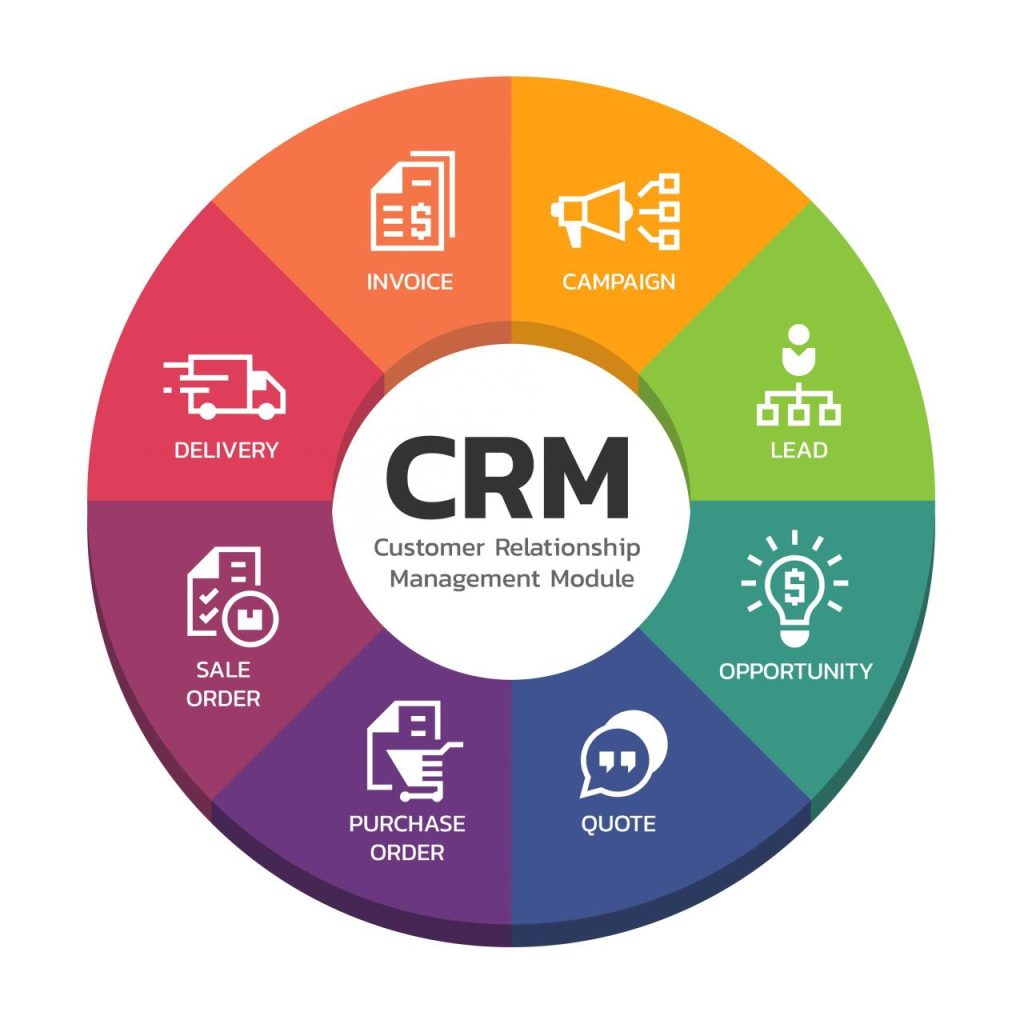
Small business CRM and accounting software: Imagine a world where managing your finances and customer relationships feels less like wrestling a kraken and more like a graceful dance. This isn’t a fantasy; it’s the reality offered by integrated CRM and accounting software designed for the hustle and bustle of the small business world. We’ll explore how these powerful tools can transform how you manage everything from invoices to client interactions, ultimately freeing you to focus on what truly matters: growing your business.
From choosing the right software that fits your specific needs (retail, service, consulting – we’ve got you covered!) to understanding the seamless integration that streamlines your workflow, we’ll delve into the essential features, cost considerations, security aspects, and the incredible power of insightful reporting. Get ready to discover how the right software can be your secret weapon for success!
Cost and Scalability
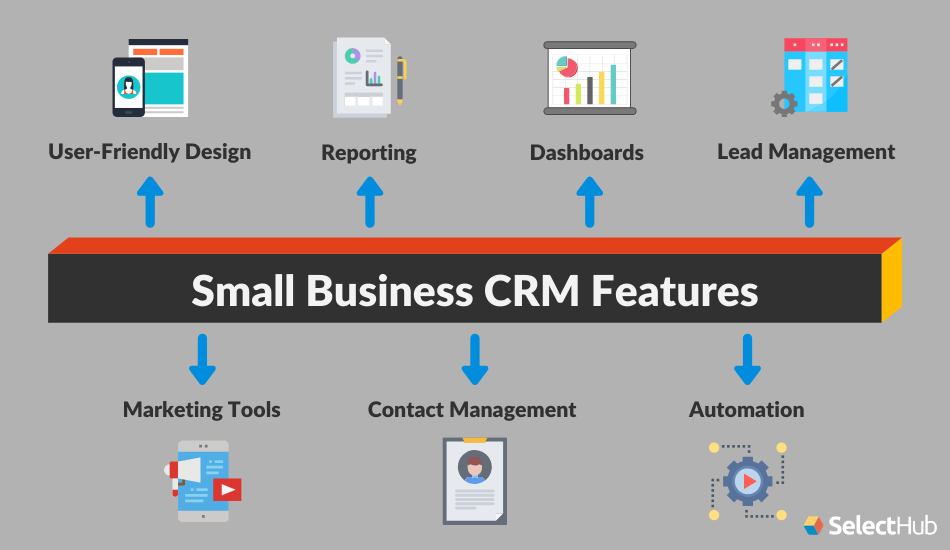
Choosing the right CRM and accounting software is a balancing act. You need powerful tools to manage your business efficiently, but you also need to consider the financial impact and how the software will grow with your company. Understanding the cost and scalability of different options is crucial for making a smart, long-term investment.
Pricing models vary widely, influencing the overall cost. Some software vendors offer a simple monthly subscription fee, while others utilize a tiered system based on features and the number of users. Consider factors like the complexity of your business operations and the anticipated growth trajectory when evaluating these options.
Pricing Models Comparison
Different software packages employ diverse pricing strategies. Some operate on a per-user, per-month model, charging a fixed fee for each individual accessing the system. Others may offer a flat monthly fee regardless of user count, but with limitations on features or storage capacity at lower tiers. A third approach involves charging based on the number of transactions processed, ideal for businesses with fluctuating activity levels. Finally, some vendors offer a one-time purchase model, but this often requires significant upfront investment and may lack the ongoing support and updates of subscription-based alternatives. For example, Xero offers tiered pricing based on features and user count, while QuickBooks offers different plans tailored to specific business sizes and needs. Zoho CRM, on the other hand, provides a wider range of plans with varying levels of functionality at different price points.
Factors Influencing Software Costs, Small business crm and accounting software
Several key factors determine the total cost of ownership for CRM and accounting software. The number of users directly impacts the monthly or annual expense, especially with per-user pricing models. More users often mean higher costs. The specific features required also play a significant role. Advanced functionalities like inventory management, project tracking, or sophisticated reporting tools will typically increase the price. Finally, integrations with other business applications, such as e-commerce platforms or payment gateways, can add to the overall cost, although these integrations often significantly improve efficiency and save time in the long run. For instance, integrating your CRM with your e-commerce platform allows for seamless customer data flow, improving sales and marketing efforts. However, this integration might come at an additional cost depending on the software and the complexity of the integration process.
Choosing Scalable Software
Selecting scalable software is essential for long-term success. Scalability refers to the software’s ability to adapt to your business’s growth without requiring a complete system overhaul. Look for software with flexible pricing plans that allow you to easily upgrade or downgrade your subscription as your needs change. Cloud-based solutions generally offer better scalability than on-premise systems, as they can be easily adjusted to accommodate more users, data storage, and processing power as your business expands. Consider the software’s ability to handle increased data volume and user activity without performance degradation. For example, a small business starting with a basic accounting package can upgrade to a more comprehensive solution with advanced features as it grows, adding users and modules as needed. This ensures that the software remains a valuable asset throughout the company’s growth journey, avoiding costly migrations and disruptions.
Security and Data Privacy: Small Business Crm And Accounting Software
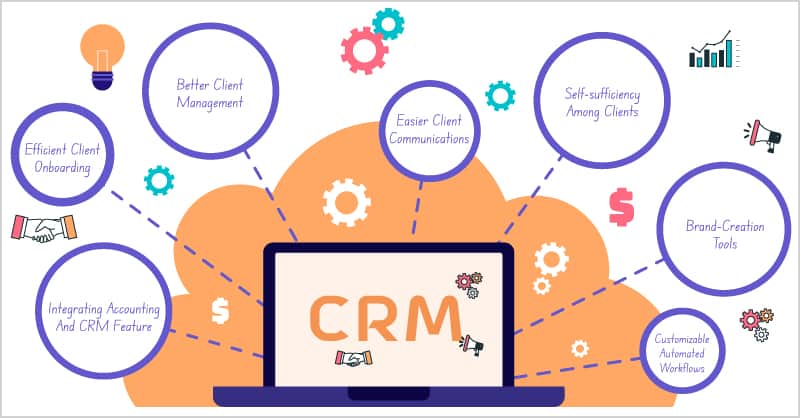
Your business data is the lifeblood of your operations. Protecting it shouldn’t be an afterthought; it should be built into the very foundation of your chosen CRM and accounting software. Choosing a system that prioritizes security isn’t just about avoiding a headache; it’s about safeguarding your financial well-being and maintaining the trust of your clients. This section will explore the crucial security and privacy features you should expect from your software.
Essential security features for small business CRM and accounting software go beyond simply having a password. Think of it like a fortress, with multiple layers of defense protecting your valuable data. Robust security is a combination of proactive measures and reactive safeguards, working together to minimize risk.
Data Encryption and Backup Options
Data encryption is the process of converting your sensitive information into an unreadable format, rendering it useless to unauthorized individuals. Imagine a secret code that only your software can decipher. Strong encryption, such as AES-256, is essential to protect data both in transit (as it travels over the internet) and at rest (while stored on servers). Without it, your customer details, financial records, and other confidential information are vulnerable. Regular backups are your safety net, ensuring data recovery in case of hardware failure, cyberattacks, or accidental deletion. A reliable system will offer multiple backup options, including cloud backups and local backups, allowing you to choose the best strategy for your business needs. Consider a system that offers automated backups to minimize the risk of human error.
Compliance with Data Privacy Regulations
Navigating the world of data privacy regulations can feel overwhelming, but understanding the basics is crucial. Regulations like the General Data Protection Regulation (GDPR) in Europe and the California Consumer Privacy Act (CCPA) in the United States mandate specific measures to protect personal data. These regulations cover aspects such as data collection, storage, processing, and disclosure. Compliance means your software must provide features that allow you to manage consent, provide data access requests, and ensure data deletion when required. Failure to comply can result in significant fines and damage to your business reputation. Choosing software that is explicitly designed with these regulations in mind will save you time, money, and potential legal headaches. Look for software providers that openly communicate their compliance efforts and provide clear documentation on their data privacy practices.
Reporting and Analytics
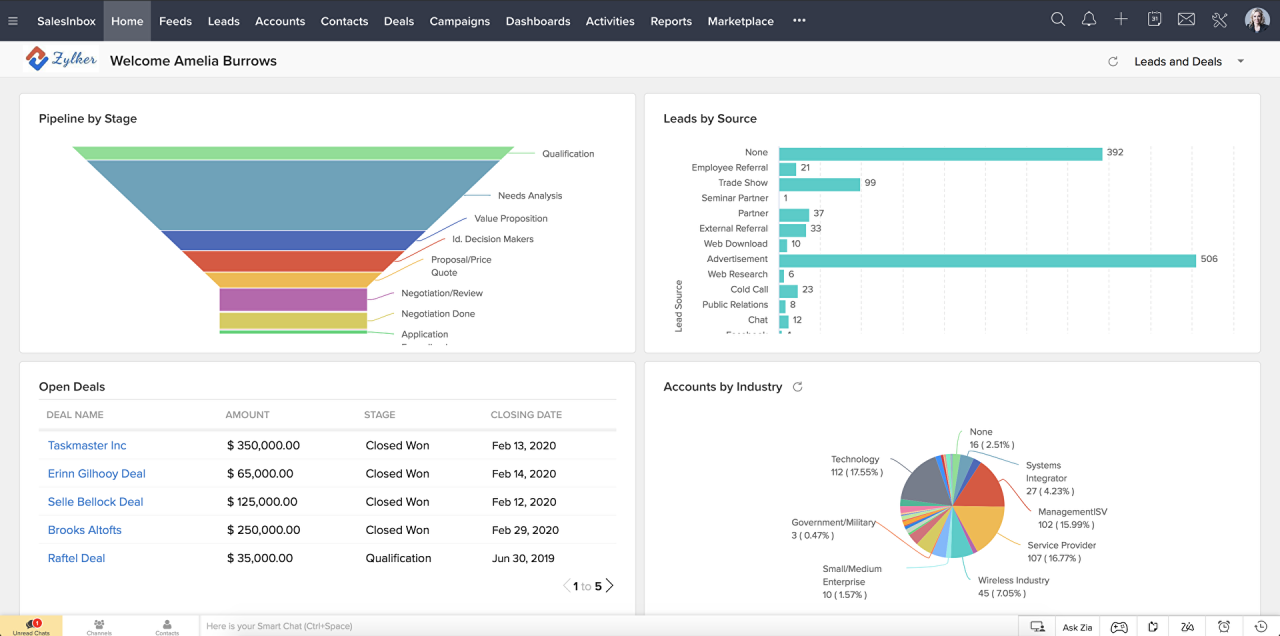
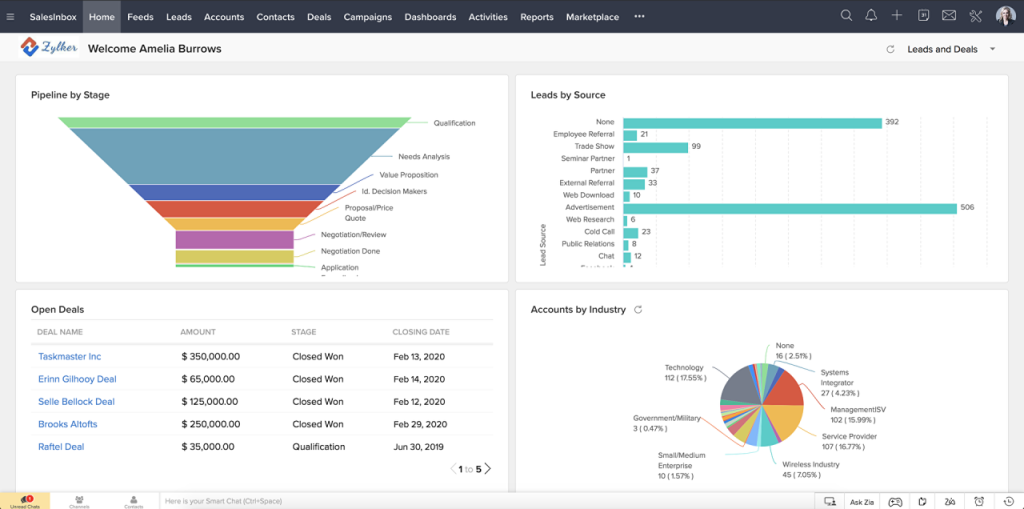
Unlocking the hidden power within your business data is key to making smart, informed decisions. Our integrated CRM and accounting software provides a robust reporting and analytics engine, transforming raw numbers into actionable insights that drive growth and profitability. Imagine having a crystal ball that shows you exactly where your business excels and where improvements are needed – that’s the power of effective reporting.
Reporting and analytics are not just about crunching numbers; they’re about understanding your business’s story. By visualizing your data in clear, concise reports, you can identify trends, spot potential problems, and capitalize on opportunities. This allows you to proactively manage your business rather than reactively addressing issues as they arise.
Types of Reports for Small Businesses
Small businesses need a variety of reports to monitor different aspects of their operations. Financial reports are essential for understanding profitability, cash flow, and overall financial health. Sales reports track revenue, customer acquisition costs, and sales trends. Customer relationship management (CRM) reports provide insights into customer behavior, satisfaction, and engagement. Combining data from both CRM and accounting systems creates a holistic view of the business, revealing correlations that might otherwise remain hidden. For example, a report might show a correlation between a specific marketing campaign and a surge in sales from a particular customer segment.
Examples of Reporting Features Aiding Decision-Making
Imagine you notice a significant drop in sales of a particular product from your sales reports. By combining this with customer feedback from your CRM, you might discover that customer dissatisfaction with a recent product update is the culprit. This allows you to address the issue promptly, potentially through a software patch, improved customer service, or a targeted marketing campaign highlighting the product’s improved features. Alternatively, if your financial reports show consistently high accounts receivable, you can analyze your CRM data to identify customers with overdue payments and implement strategies for improved collections. These insights aren’t just reactive; they are proactive tools for steering your business towards success.
Key Performance Indicators (KPIs) for Small Businesses
Tracking the right KPIs is crucial for monitoring progress and making data-driven decisions. Here’s a selection of essential KPIs that can be tracked using our integrated software:
- Customer Acquisition Cost (CAC): The cost of acquiring a new customer. A low CAC indicates efficient marketing and sales strategies. For example, a CAC of $50 means it costs $50 to acquire each new customer.
- Customer Lifetime Value (CLTV): The total revenue expected from a single customer over their entire relationship with your business. A high CLTV indicates strong customer loyalty and retention. For instance, a CLTV of $1000 suggests that, on average, each customer generates $1000 in revenue over their lifetime.
- Average Revenue Per User (ARPU): The average revenue generated per customer over a specific period. This helps track the overall revenue growth per customer. An ARPU of $200 per month shows a healthy average revenue generation per customer.
- Net Profit Margin: The percentage of revenue remaining after deducting all expenses. A high net profit margin shows strong profitability. For example, a net profit margin of 15% means that 15% of revenue remains as profit after all expenses.
- Customer Churn Rate: The percentage of customers who stop doing business with you over a specific period. A low churn rate indicates strong customer retention. A churn rate of 5% means that 5% of your customers stopped doing business with you in the given period.
- Return on Investment (ROI): Measures the efficiency of an investment. A high ROI indicates that the investment is yielding significant returns. For example, an ROI of 20% on a marketing campaign means that for every dollar invested, $1.20 was generated in profit.
So, there you have it – a journey into the exciting world of small business CRM and accounting software! By understanding the key features, integration possibilities, and the importance of user-friendliness and security, you’re well-equipped to make an informed decision. Remember, the right software isn’t just about managing numbers; it’s about empowering you to focus on your business vision and watch it flourish. Embrace the efficiency, gain valuable insights, and let technology work its magic to propel your small business to new heights. Now go forth and conquer!