Snapchat and mental health: a seemingly unlikely pairing, yet the vibrant, fleeting world of Snapchat filters and quick snaps holds a surprising influence on our emotional well-being. This isn’t just about teenage angst; it’s about how a platform designed for fun and connection can inadvertently contribute to anxiety, depression, body image issues, and even addiction. We’ll explore the double-edged sword of Snapchat, examining its potential pitfalls while also looking at ways to harness its power for good.
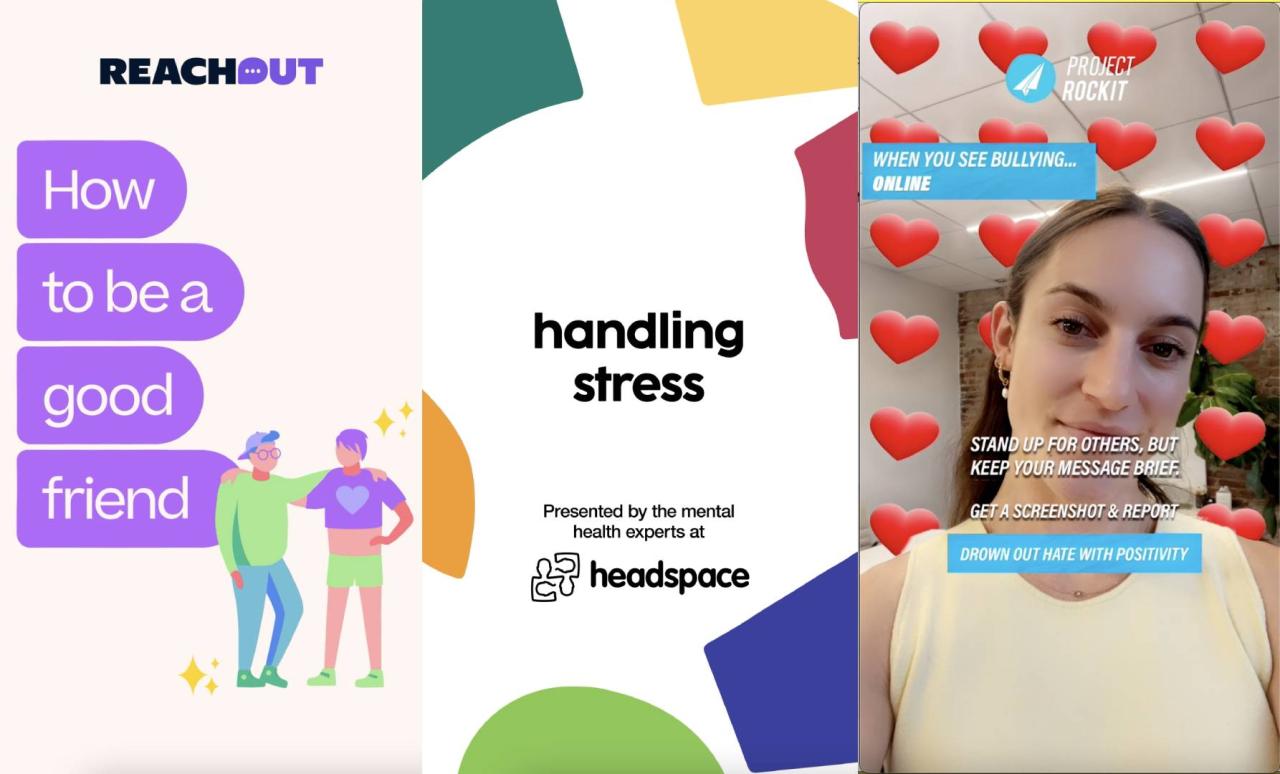
From the pressure to present a perfect online persona to the relentless fear of missing out (FOMO), the impact of Snapchat on mental health is multifaceted. We’ll delve into the specific features that contribute to these issues – the addictive nature of the app, the prevalence of cyberbullying, and the unrealistic beauty standards perpetuated by filters and lenses. But we won’t just focus on the negatives. We’ll also explore potential solutions, including the development of in-app mental health resources and strategies for fostering healthier online habits.
Snapchat’s Impact on Self-Esteem: Snapchat And Mental Health
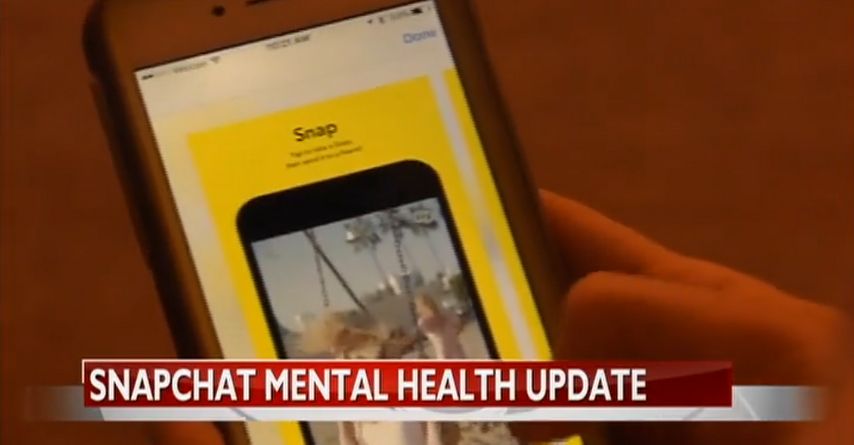
Snapchat, with its quick-fire photos and videos, has become a ubiquitous part of teenage life. However, this seemingly harmless platform can have a significant, and often negative, impact on self-esteem, particularly concerning body image. The curated nature of the platform, coupled with its built-in features, creates a perfect storm for fostering unrealistic beauty standards and fueling social comparison.
The pervasive use of filters and lenses contributes to a distorted perception of reality.
The Influence of Filters and Lenses on Body Image
Snapchat’s filters and lenses offer users the ability to alter their appearance in real-time, often smoothing skin, slimming faces, and enlarging eyes. While intended as fun and playful tools, the consistent use of these features can lead to a skewed perception of beauty. Teenagers, especially, might begin to equate the filtered image with the ideal, leading to dissatisfaction with their natural appearance. The constant exposure to these enhanced images can cultivate a sense of inadequacy and pressure to conform to these digitally constructed ideals, ultimately impacting their self-esteem and body image. For instance, a teenager who regularly uses slimming filters might start to view their natural body shape as flawed, leading to negative self-perception and potentially disordered eating habits. The subtle yet consistent alteration of facial features can also lead to similar anxieties and insecurities.
Social Comparison and Self-Worth on Snapchat
Snapchat’s inherent social nature exacerbates the problem. The platform encourages users to share their lives, often showcasing highlights and carefully curated moments. This curated content creates a breeding ground for social comparison, where users constantly evaluate themselves against their peers’ seemingly perfect lives. Seeing friends’ seemingly flawless selfies, lavish vacations, or seemingly effortless successes can lead to feelings of inadequacy and low self-worth. For example, a teenager might compare their own casual photo to a friend’s professionally edited vacation picture, leading to feelings of envy and self-doubt. This constant exposure to idealized versions of reality can significantly impact mental wellbeing and contribute to feelings of anxiety and depression.
Strategies for Promoting Positive Self-Image on Snapchat, Snapchat and mental health
Promoting positive self-image within the Snapchat environment requires a multi-faceted approach.
It’s crucial to encourage mindful usage, emphasizing the artificiality of filters and lenses. Educating teenagers about the role of editing and the unrealistic nature of many online images can help them to develop a more critical and balanced perspective. Furthermore, promoting diverse representation on the platform, showcasing individuals with varying body types and appearances, can help to challenge and dismantle unrealistic beauty standards. Encouraging open communication about body image concerns with friends, family, and mental health professionals is also vital. Finally, emphasizing the importance of self-acceptance and celebrating individuality, rather than striving for unattainable perfection, can help to foster a more positive and healthy relationship with oneself and with social media.
Cyberbullying and Harassment on Snapchat
Snapchat’s ephemeral nature, designed for quick, disappearing messages and photos, ironically creates a breeding ground for harmful online interactions. While intended to foster intimacy and spontaneous sharing, this very design can embolden cyberbullies, leaving victims with little evidence and a sense of helplessness. The platform’s popularity among young people makes it a particularly vulnerable space for this type of abuse.
The prevalence of cyberbullying and harassment on Snapchat is difficult to quantify precisely due to underreporting and the platform’s unique features. However, numerous studies and news reports consistently highlight Snapchat as a significant vector for such behavior. The anonymity offered by certain features, combined with the speed of message delivery, allows for rapid dissemination of harmful content before it can be removed. This rapid-fire nature can be especially damaging to victims’ mental health.
Snapchat’s Features Contributing to Cyberbullying
Snapchat’s features, while intended for fun and connection, can be exploited for malicious purposes. The disappearing nature of Snaps can create a false sense of security for perpetrators, making them less likely to consider the consequences of their actions. Features like direct messaging, group chats, and the ability to easily share screenshots (despite the ephemeral nature of Snaps) all contribute to the potential for harassment. The “streak” feature, encouraging daily communication, can also be used to pressure individuals into unwanted interactions or to maintain abusive relationships. Furthermore, the ease of creating and sharing altered images or videos through Snapchat can lead to serious forms of online harassment. For instance, a doctored image shared privately or within a group chat can cause significant emotional distress.
Snapchat’s Safety Features and Reporting Mechanisms Compared to Other Platforms
Snapchat has implemented safety features, including a reporting mechanism for abusive content. However, the effectiveness of these mechanisms remains a subject of debate. Compared to platforms like Instagram or Facebook, which often have more robust community guidelines and more readily available support resources, Snapchat’s approach is sometimes criticized for being less proactive and less transparent. The speed at which abusive content can spread on Snapchat, combined with the difficulty of preserving evidence, poses challenges for both users and the platform itself in addressing these issues. While Snapchat does offer the ability to block users and report content, the process may not always be intuitive or efficient enough to prevent harm. For example, a victim might report abusive content, but the response time might be slow, leaving them exposed to further harassment in the meantime.
Psychological Impact of Snapchat Cyberbullying
Cyberbullying on Snapchat can have profound and lasting psychological effects. The constant fear of receiving abusive messages or seeing humiliating content can lead to anxiety, depression, and feelings of isolation. The ephemeral nature of the platform doesn’t diminish the impact; even if a Snap disappears, the emotional damage remains. Victims may experience low self-esteem, sleep disturbances, and difficulty concentrating. In severe cases, cyberbullying through Snapchat can contribute to suicidal ideation and self-harm. The public nature of some forms of harassment, such as being added to a group chat where they are subjected to ridicule, can further amplify the negative psychological effects. The constant exposure to negativity, even in a seemingly fleeting format, creates a continuous cycle of stress and emotional trauma.
Snapchat and Body Dysmorphia
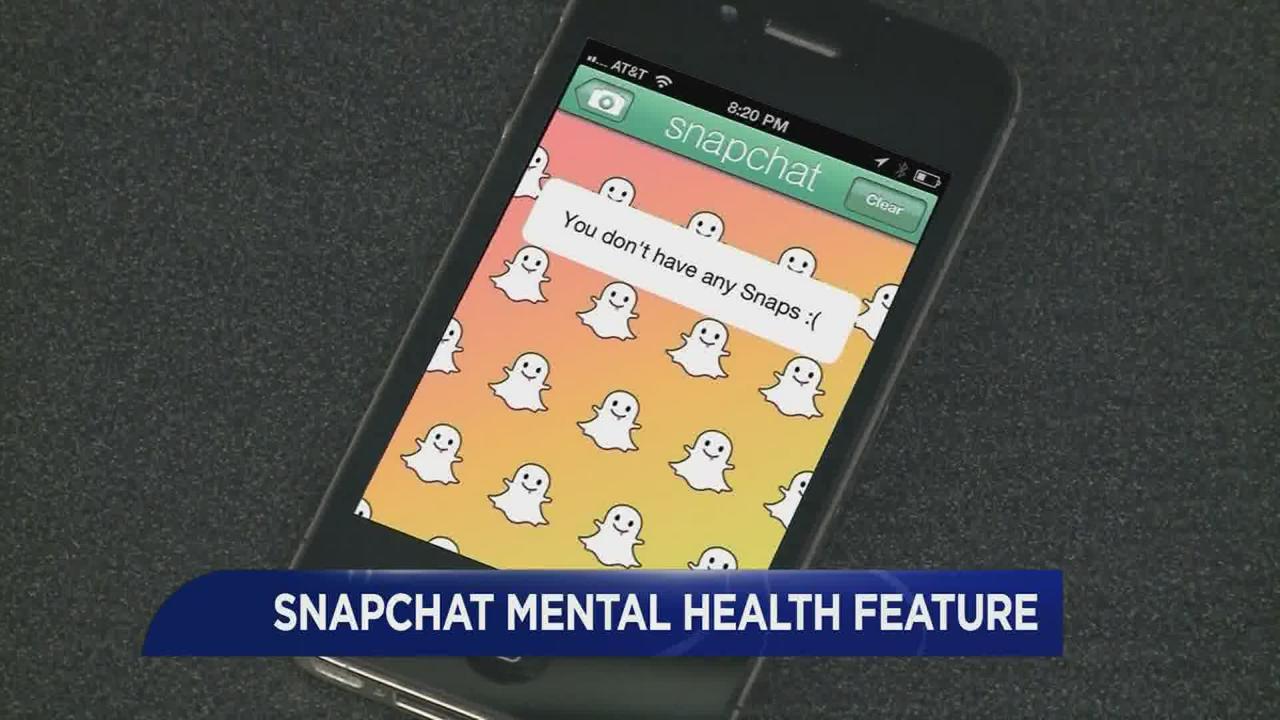
Snapchat, with its filters and editing tools, has become a powerful force shaping how we perceive ourselves and others. While offering fun and creative ways to express oneself, the platform’s constant stream of idealized images can significantly contribute to the development and exacerbation of body dysmorphia, a mental health condition characterized by a distorted body image and obsessive focus on perceived flaws. This pervasive influence warrants careful consideration.
The readily available filters and editing tools on Snapchat allow users to dramatically alter their appearance, often creating unrealistic beauty standards. These tools, designed for entertainment, can inadvertently reinforce negative self-perception. Users might spend considerable time searching for the “perfect” filter, constantly comparing their unfiltered image to the filtered one, leading to feelings of inadequacy and dissatisfaction with their natural appearance. The addictive nature of the app, coupled with the instant gratification of seeing an improved image, can create a cycle of dependence and dissatisfaction.
The Influence of Snapchat Filters and Photo Editing Tools
Snapchat filters often smooth skin, slim features, and enhance other aspects of appearance, creating a digitally enhanced version of reality. This curated reality can create unrealistic expectations about one’s own body. The ease with which these alterations can be made further contributes to the problem. Users may start to believe that these digitally altered images are achievable and desirable, leading to feelings of self-consciousness and pressure to conform to these unrealistic ideals. The constant exposure to these altered images can lead to a disconnect between one’s perceived self and their actual appearance. For example, someone might become fixated on the size of their nose, constantly comparing it to the smaller noses they see in filtered selfies, leading to distress and dissatisfaction.
The Impact of Idealized Images on Body Perception
The curated nature of Snapchat, where users predominantly share their best, most filtered images, creates a skewed perception of reality. Users are constantly bombarded with images of seemingly perfect bodies, leading to social comparison and a heightened sense of inadequacy. This constant exposure to idealized images can contribute to negative self-esteem and body image issues. The platform’s emphasis on visual appeal reinforces a culture that values outward appearance above all else. This can be especially detrimental to young people who are still developing their sense of self and are particularly vulnerable to social pressure. For instance, a teenager might compare their natural physique to the heavily edited bodies of influencers they follow, leading to feelings of anxiety and body shame.
Signs and Symptoms of Snapchat-Related Body Dysmorphia
Identifying body dysmorphia linked to Snapchat usage requires awareness of both the app’s influence and the condition’s symptoms. Individuals might spend excessive time editing photos before posting, constantly seeking validation through likes and comments. They may also exhibit increased self-consciousness, avoiding social situations or activities where their body might be seen. Other signs include frequent negative self-talk, focusing excessively on perceived flaws, and engaging in repetitive behaviors such as excessive dieting or exercising to achieve an unrealistic ideal. A significant indicator is the significant distress or impairment in daily life caused by concerns about body image. For example, a person might repeatedly skip social events due to intense anxiety about their appearance, impacting their social life and overall well-being.
Resources and Support Organizations
It is crucial to remember that help is available for individuals struggling with body dysmorphia related to social media. Seeking professional support is a vital step towards recovery.
Here are some resources and support organizations:
- The National Eating Disorders Association (NEDA): Offers information, support, and resources for individuals and families affected by eating disorders, which often co-occur with body dysmorphia.
- The National Association of Anorexia Nervosa and Associated Disorders (ANAD): Provides support, education, and advocacy for individuals struggling with eating disorders and related conditions.
- The Body Image Therapy Center: Specializes in treating body image issues and related disorders.
- MentalHealth.gov: A comprehensive website offering information and resources on various mental health conditions, including body dysmorphia.
- Your primary care physician or therapist: Can provide an initial assessment and refer you to specialists as needed.
Ultimately, Snapchat, like any powerful tool, can be used for good or ill. Understanding its impact on mental health is crucial, not just for teenagers, but for anyone who uses the platform. By recognizing the potential risks and implementing strategies for responsible usage, we can navigate the digital landscape more safely and mindfully. The key takeaway isn’t to demonize Snapchat, but to engage with it consciously, prioritizing our well-being above the fleeting allure of likes and snaps. Let’s use technology to connect, not disconnect, from ourselves and each other.