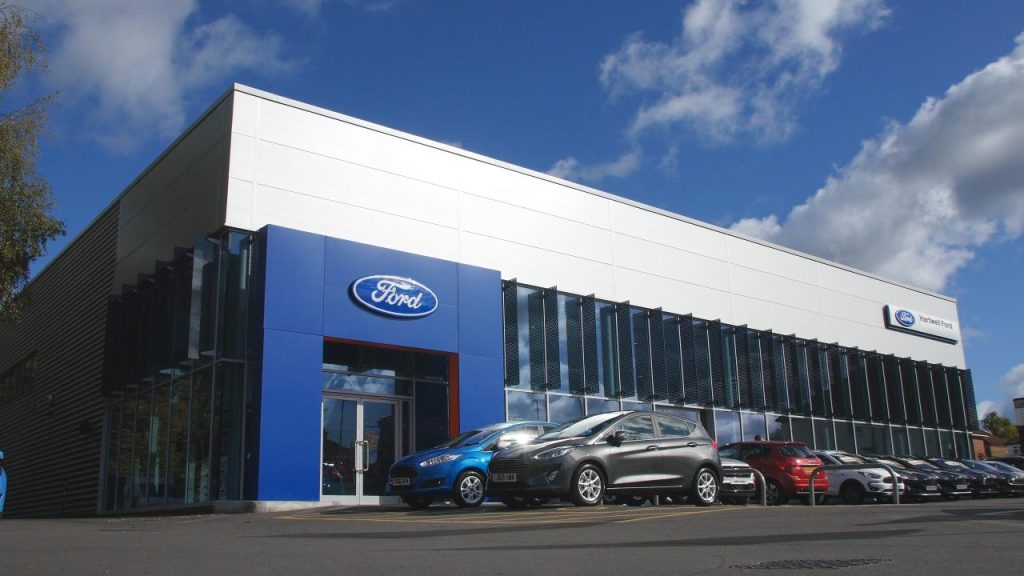
The automotive industry has been an integral part of the global economy for more than a century. It has undergone tremendous transformations since the first mass-produced vehicles rolled off assembly lines, and it continues to evolve with innovations in technology, environmental concerns, and shifting consumer preferences. From traditional internal combustion engine (ICE) vehicles to electric vehicles (EVs), self-driving cars, and new mobility solutions, the automotive sector is in the midst of a revolutionary change.
The Early Beginnings and the Birth of the Automobile
The history of the automobile dates back to the late 19th century. The first gasoline-powered car, the Benz Patent-Motorwagen, was invented by Karl Benz in 1885, marking the beginning of the automobile era. However, it was Henry Ford’s introduction of the assembly line in 1913 that truly transformed the industry. Ford’s Model T made cars affordable and accessible to the masses, revolutionizing transportation across the globe.
The success of the Model T also laid the groundwork for the expansion of the automotive industry, making it one of the most important sectors in modern economies. Over time, car manufacturers around the world began introducing new technologies and models, creating a competitive environment that pushed the boundaries of innovation.
The Growth of the Automotive Industry
As the automotive industry grew, so did its impact on the global economy. The demand for automobiles skyrocketed in the 20th century, with millions of cars being produced annually. The rise of the middle class in developed nations contributed to the growth of the automotive market, and cars became not just a means of transportation but a symbol of personal freedom, success, and lifestyle.
The industry saw significant technological advancements, from the development of power steering, air conditioning, and fuel injection systems to the introduction of safety features such as airbags, anti-lock brakes, and electronic stability control. Each of these innovations helped improve the driving experience, safety, and the environmental footprint of vehicles.
The Shift to Sustainable and Electric Vehicles
In recent decades, the automotive industry has faced a pressing challenge: sustainability. As concerns over climate change and air pollution have intensified, governments and consumers have pushed for cleaner, more energy-efficient vehicles. This has led to a major shift in the industry towards electric vehicles (EVs), which produce zero emissions and offer a promising alternative to traditional internal combustion engine vehicles.
The global push for EVs has led to significant investments in electric car technology. Companies like Tesla have revolutionized the market by proving that electric cars can be practical, stylish, and desirable. Meanwhile, traditional automakers like General Motors, Ford, Volkswagen, and Toyota have committed to transitioning their fleets to electric, with some companies planning to phase out internal combustion engine vehicles entirely within the next few decades.
Governments around the world have also played a pivotal role in driving the adoption of EVs through incentives, tax rebates, and stricter emissions regulations. Many countries, including Norway, the Netherlands, and China, have set ambitious targets for EV adoption and the reduction of fossil fuel-powered vehicles.
However, the transition to EVs is not without its challenges. The high cost of electric cars, limited charging infrastructure, and concerns about the environmental impact of battery production are significant hurdles. Nevertheless, the automotive industry is steadily addressing these issues with advances in battery technology, improvements in charging networks, and efforts to reduce the environmental footprint of manufacturing.
Autonomous Vehicles: The Future of Driving?
In addition to the shift to electric vehicles, another transformative trend in the automotive industry is the rise of autonomous vehicles (AVs). Self-driving technology promises to revolutionize the way we travel, offering the potential to reduce accidents, increase traffic efficiency, and transform the very concept of car ownership.
Major tech companies like Google (with its Waymo division), Apple, and Amazon have made significant strides in developing autonomous driving technology. In parallel, automakers such as Ford, General Motors, and BMW are investing heavily in the research and development of autonomous systems.
While fully autonomous vehicles are not yet widely available, advancements in driver-assistance systems such as lane-keeping assistance, adaptive cruise control, and automated parking are already enhancing the driving experience. These technologies are laying the foundation for a future where cars can drive themselves, freeing up time for passengers to focus on other activities during their commutes.
The widespread adoption of autonomous vehicles could have far-reaching implications for urban planning, logistics, and mobility. For example, AVs could lead to a reduction in the need for personal car ownership, as ride-sharing services like Uber and Lyft become more prevalent. Moreover, autonomous vehicles could help reduce traffic congestion and optimize the flow of traffic in cities, leading to more efficient transportation networks.
However, the development of autonomous vehicles raises several challenges, including regulatory hurdles, public trust, and ethical concerns. Questions surrounding safety, cybersecurity, and the impact of AVs on jobs in the transportation sector are all important considerations that need to be addressed before autonomous vehicles can become a mainstream reality.
The Rise of Mobility as a Service (MaaS)
In recent years, another emerging trend in the automotive industry is the rise of Mobility as a Service (MaaS). MaaS refers to the integration of various transportation services into a single, accessible platform. Through MaaS platforms, consumers can access a variety of transportation options, including public transit, ride-sharing, car rentals, and bike-sharing, all from a single app.
The shift toward MaaS is driven by the increasing demand for convenient, flexible, and sustainable transportation options. Consumers are increasingly opting for on-demand services rather than owning a car, especially in urban areas where traffic congestion, high parking costs, and environmental concerns make car ownership less appealing.
MaaS also presents a challenge to traditional car manufacturers, who are now competing not only with other car makers but also with tech companies offering innovative mobility solutions. The development of MaaS platforms has spurred automakers to explore new business models, including partnerships with ride-hailing services and investments in electric scooter-sharing programs.
The Road Ahead
The automotive industry is at a crossroads, facing significant challenges and opportunities. The shift to electric vehicles, the rise of autonomous driving, and the growing popularity of mobility services are reshaping the landscape of transportation. The industry must adapt to these changes, balancing innovation with sustainability and addressing the complex issues surrounding regulation, infrastructure, and public perception.
In the coming years, we are likely to see the continued development of electric and autonomous vehicles, the expansion of mobility platforms, and the integration of advanced technologies like artificial intelligence, blockchain, and 5G connectivity into vehicles. As the industry evolves, it will be exciting to see how the automotive sector continues to push the boundaries of innovation, offering consumers safer, more efficient, and more sustainable ways to travel.